Disc de coupe conventionnel PA Hot Melt Adhesive Web
Introduction du produit: Disque de coupe conventionnel PA Web Adhesive Web est un matériau adhésif à fonte à chaud fabriqué à l'...

Spécialisée dans la production de divers types de films adhésifs à fonte à chaud et de films en maille adhésif à fonte à chaud.


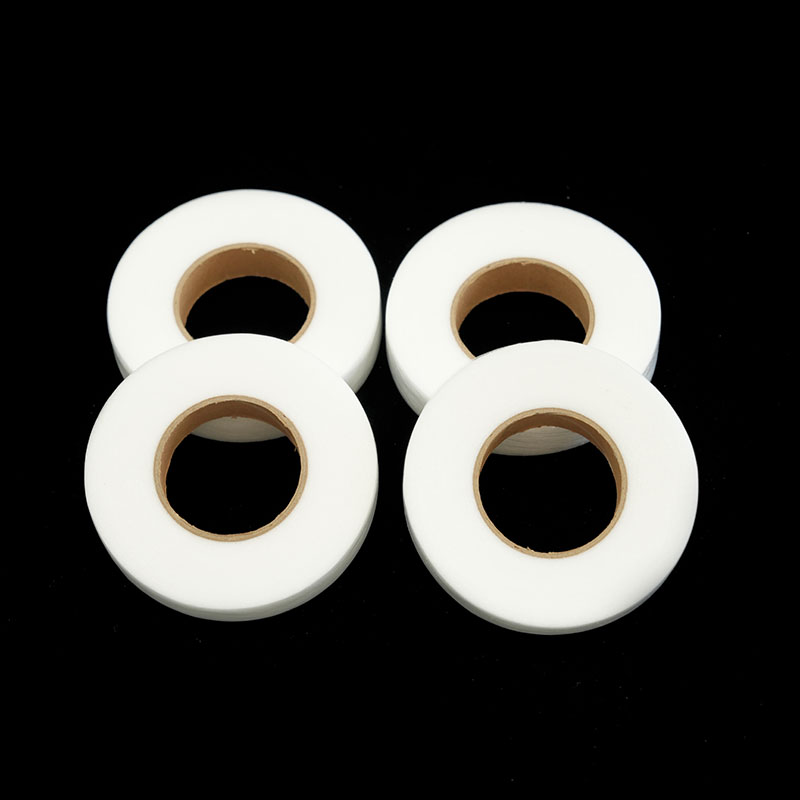
Introduction du produit: Disque de coupe conventionnel PA Web Adhesive Web est un matériau adhésif à fonte à chaud fabriqué à l'...
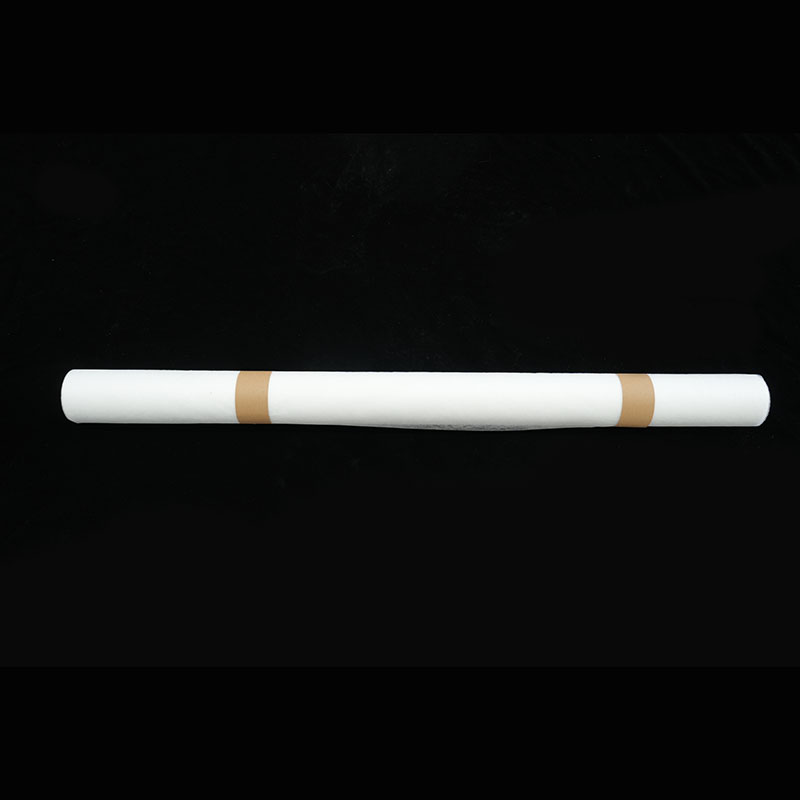
Introduction du produit: L'ensemble du rouleau de la toile d'adhésif à fusion chaude PA est un adhésif spécial traité à pa...
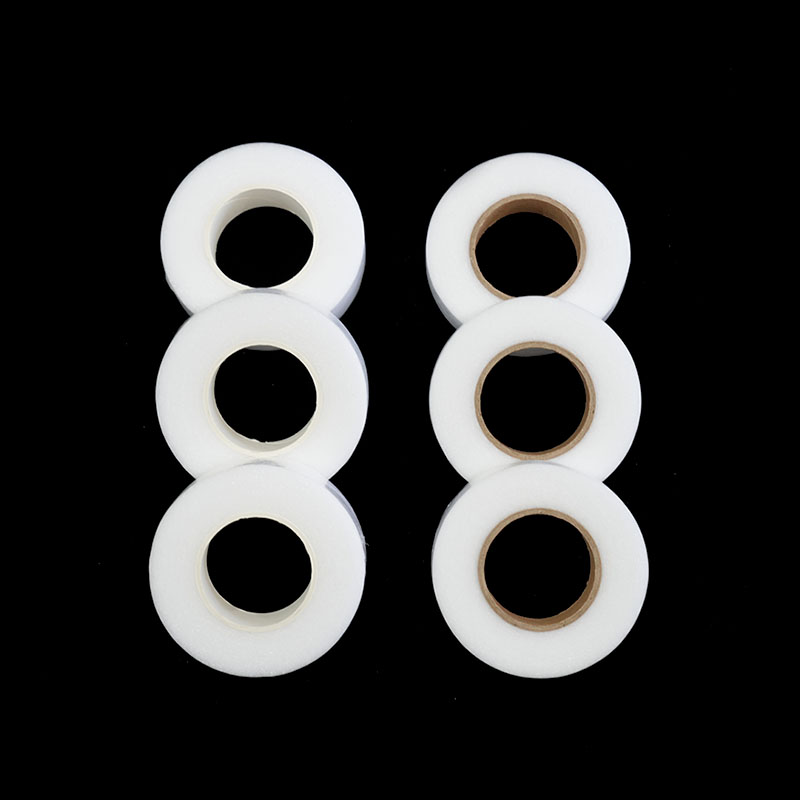
Introduction du produit: Small Roll Cutting Disc PA Hot Melt Adhesive Web est un matériau de liaison chaud haute performance et resp...
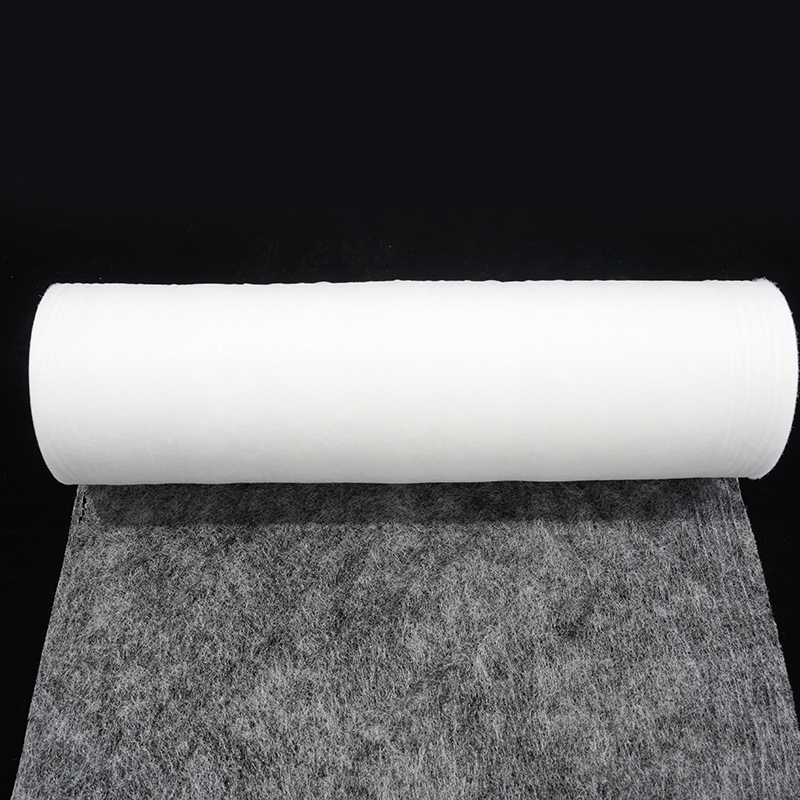
Introduction du produit: Le rouleau entier (rouleau mère) TPU Hot Feed Adhesive Web, en tant que matériau de polyuréthane thermoplas...
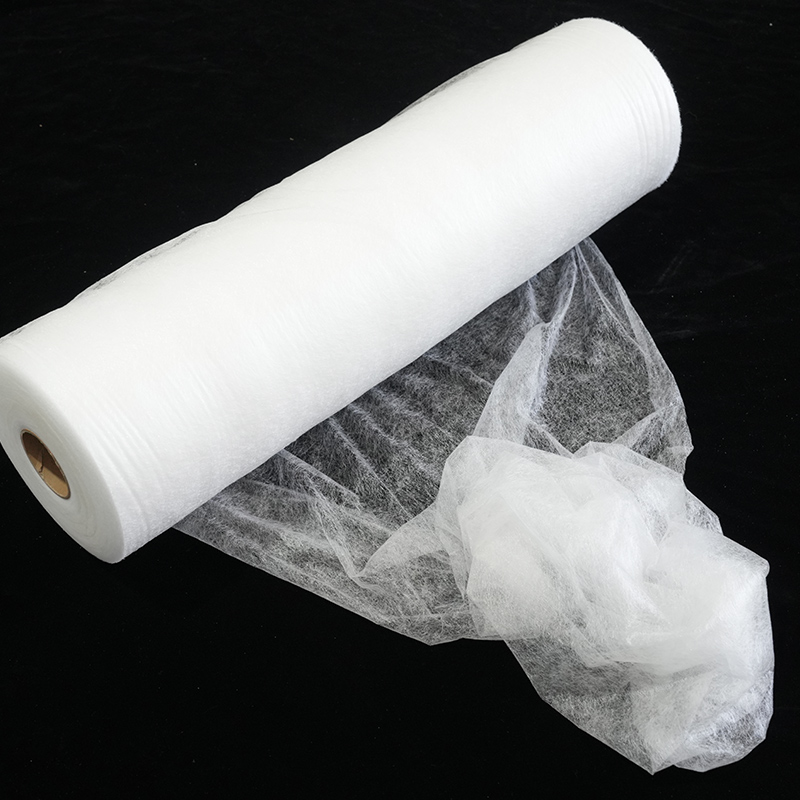
Introduction du produit: Ce rouleau complet à haute performance et polyvalent (rouleau mère) EVA à basse température à basse tempéra...
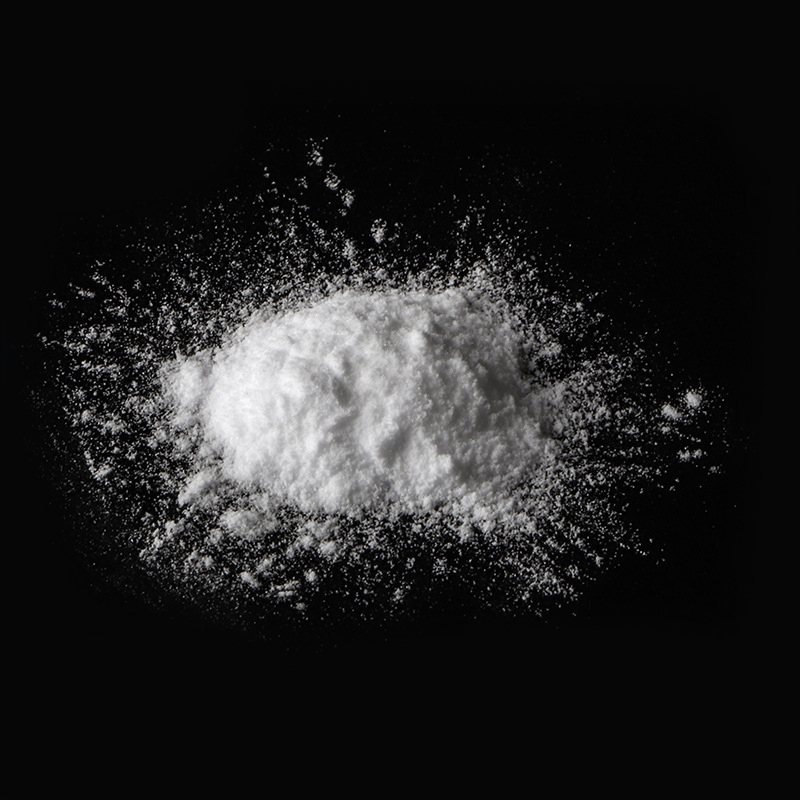
Introduction du produit: PES La poudre d'adhésive à fusion chaude est un nouveau type d'adhésif à fusion chaude et respect...
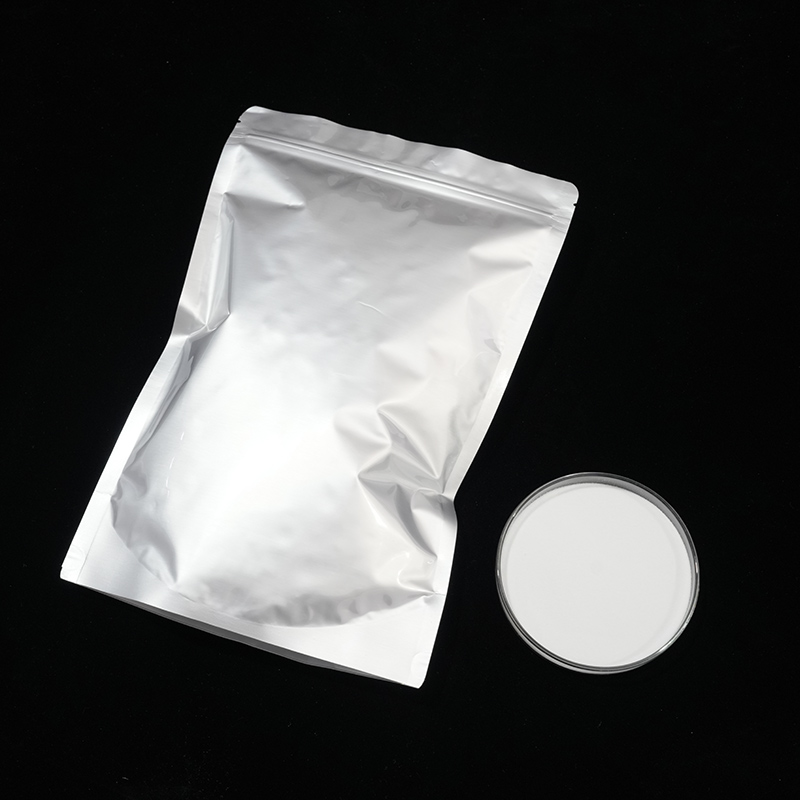
Introduction du produit: TPU La poudre d'adhésive à fonte à chaud, également connue sous le nom de poudre d'adhésif à font...
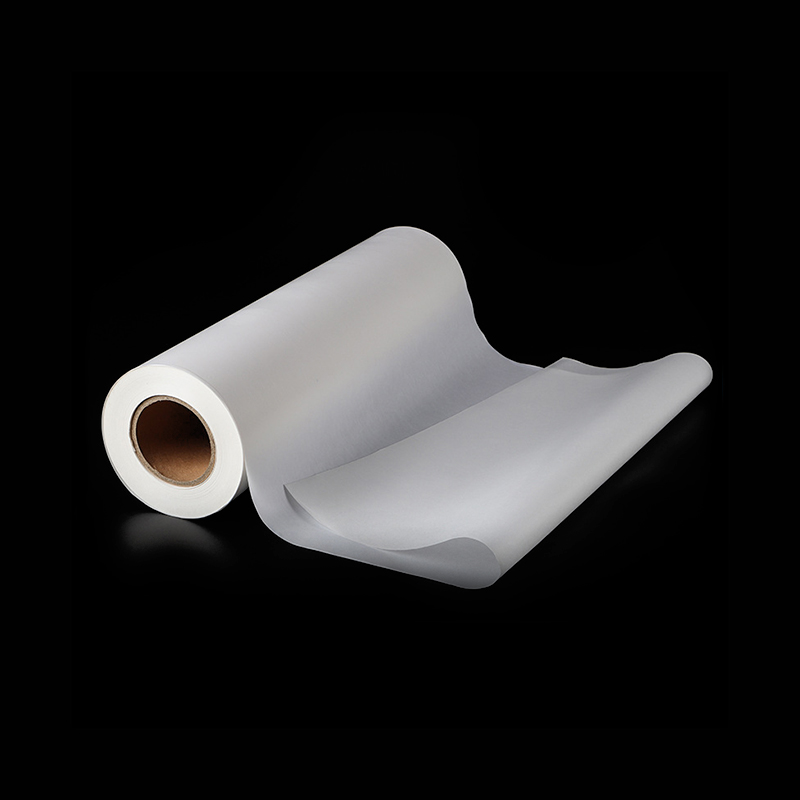
Introduction du produit: Ce film adhésif à fonte à chaud TPU avec élasticité du papier support a des propriétés adhésives respectueu...
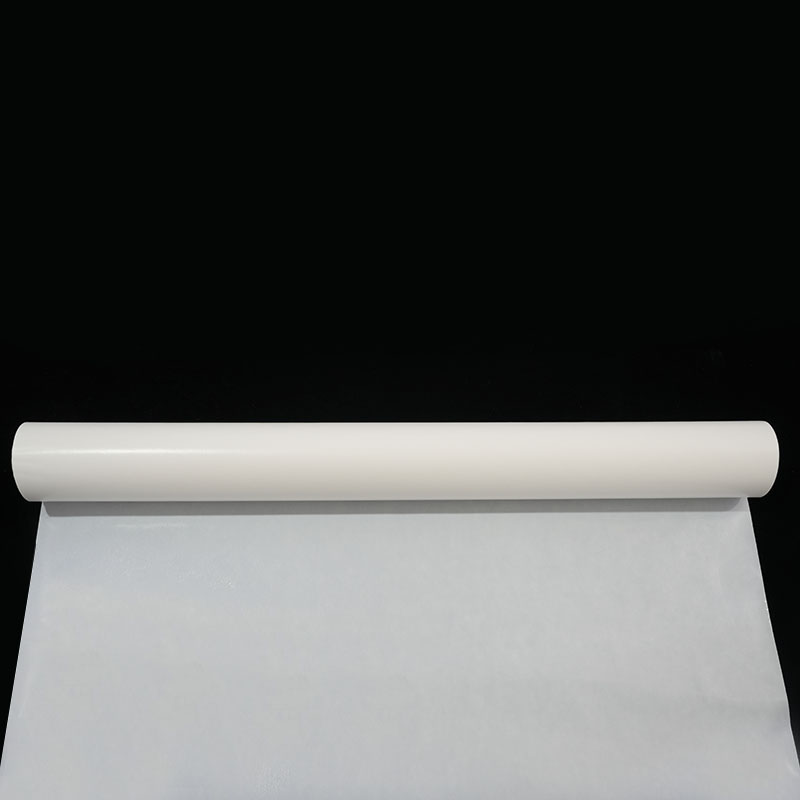
Introduction du produit: Le film adhésif Hot à fondre Hot avec du papier de soutien est un adhésif respectueux de l'environneme...
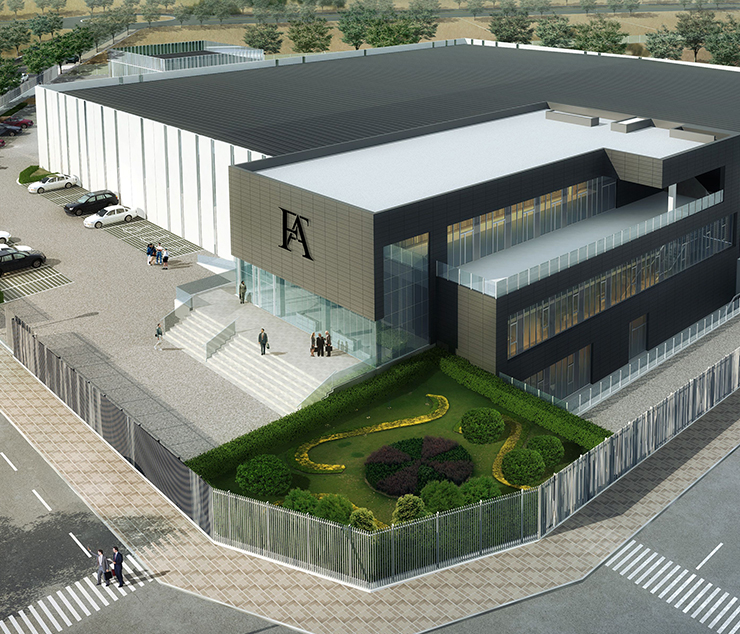
Poudre adhésive thermofusible est rapidement devenue une solution de collage privilégiée dans des secteurs tels que le textile, l'automobile, l'électronique, l'emballage et la construction....
EN SAVOIR PLUSPoudre adhésive thermofusible est couramment utilisé dans des industries telles que l'emballage, la fabrication textile et l'assemblage automobile en raison de ses capacités de liaison rapide et de ses...
EN SAVOIR PLUSDans la fabrication moderne, les technologies de collage jouent un rôle essentiel dans l’amélioration de la durabilité des produits, de l’efficacité de la production et de la flexibilité de la conception. Parmi ces te...
EN SAVOIR PLUSWhat Role Do Hot Melt Adhesive Materials Play in Automotive Interior Manufacturing?
In the rapidly evolving automotive industry, interior design and material innovation have become critical differentiators for automakers. As consumer expectations shift toward comfort, sustainability, and aesthetics, manufacturers increasingly rely on advanced materials to meet these demands. Among these materials, hot melt adhesives (HMAs) have emerged as unsung heroes in automotive interior manufacturing. Their versatility, durability, and eco-friendly properties make them indispensable for bonding components ranging from dashboard panels to seat upholstery.
1. The Technical Superiority of Hot Melt Adhesives
Hot melt adhesives are thermoplastic polymers that liquefy when heated and solidify upon cooling, forming strong, flexible bonds. Unlike traditional solvent-based adhesives, HMAs eliminate harmful volatile organic compounds (VOCs), aligning with stringent automotive industry standards for air quality and sustainability. Materials such as EVA (ethylene-vinyl acetate), PA (polyamide), PES (polyester), and TPU (thermoplastic polyurethane)—core products of Nantong Feiang—offer unique advantages:
EVA: Excellent elasticity and shock absorption, ideal for bonding soft-touch surfaces like armrests and headliners.
PA and PES: High heat resistance (up to 180°C), ensuring durability in components exposed to engine heat or sunlight.
TPU: Superior abrasion resistance and transparency, used for seamless bonding of synthetic leather and decorative films.
These materials enable automakers to replace mechanical fasteners (e.g., screws or rivets) with lightweight adhesive solutions, reducing vehicle weight and improving fuel efficiency—a critical factor in the era of electric vehicles.
2. Applications Redefining Automotive Interiors
Modern automotive interiors demand precision, aesthetics, and functionality. Hot melt adhesives excel in the following applications:
a. Dashboard and Door Panel Assembly
HMAs provide uniform adhesion for multi-material components, such as bonding plastic substrates to faux leather or wood veneers. Their vibration-dampening properties enhance ride comfort by minimizing noise from loose fittings.
b. Seat Manufacturing
From foam cushion bonding to attaching fabric covers, HMAs ensure wrinkle-free seams and long-lasting performance even under repetitive stress. TPU-based adhesives are particularly valued for their resistance to sweat, oils, and UV degradation.
c. Acoustic and Thermal Insulation
Mesh films and rubber particles—products developed by Nantong Feiang—are embedded with HMAs to create lightweight insulation layers. These reduce road noise and regulate cabin temperature, contributing to a premium driving experience.
d. Sustainable Material Integration
As automakers adopt recycled fabrics and bio-based plastics, HMAs offer compatibility with diverse substrates. Their solvent-free nature supports circular economy goals by simplifying disassembly and material recovery at end-of-life.
3. Addressing Industry Challenges with Innovation
The automotive sector faces mounting pressure to balance cost, performance, and regulatory compliance. Here’s how hot melt adhesive materials provide solutions:
Speed and Efficiency: HMAs cure within seconds, accelerating production cycles. For example, Nantong Feiang’s automated application systems enable high-volume manufacturing with minimal downtime.
Safety Compliance: Flame-retardant HMAs meet strict fire safety standards for materials used in electric vehicle batteries and cabin interiors.
Global Supply Chain Agility: With companies like Nantong Feiang expanding international partnerships, automakers gain access to consistent, high-quality adhesive solutions tailored to regional climate conditions (e.g., humidity-resistant formulas for tropical markets).
4. Nantong Feiang: A Partner in Automotive Advancement
As a high-tech enterprise specializing in hot melt adhesive production, Nantong Feiang Composite Materials Co., Ltd. exemplifies the synergy between innovation and practicality. The company’s R&D focus on advanced formulations—such as low-temperature HMAs for heat-sensitive substrates—ensures compatibility with next-generation materials like carbon-fiber-reinforced polymers. Moreover, its global logistics network guarantees timely delivery, supporting automakers in maintaining lean inventories and just-in-time production.
By collaborating with automotive OEMs and Tier 1 suppliers, Nantong Feiang helps bridge the gap between design ambition and manufacturability. Whether enabling futuristic "floating" touchscreens or vegan leather interiors, their adhesives empower brands to deliver cutting-edge designs without compromising on reliability.
Hot melt adhesive materials are far more than industrial "glue"—they are enablers of innovation, sustainability, and user-centric design. As vehicles evolve into connected, autonomous, and shared mobility platforms, the role of HMAs will expand further, from integrating smart sensors into surfaces to facilitating modular interior layouts.
For automakers seeking to stay ahead in this competitive landscape, partnering with specialized suppliers like Nantong Feiang Composite Materials Co., Ltd. is not just an option but a strategic imperative. With their expertise in material science and commitment to customer-driven solutions, the road to the future of automotive interiors is securely bonded, one adhesive layer at a time.
Nantong Feiang Composite Materials Co., Ltd. invites global partners to explore how its hot melt adhesive technologies can elevate your automotive interior projects. Together, let’s redefine what’s possible on the road ahead.

Copyright © Nantong Feiang Composite Materials Co., Ltd.
